Challenges
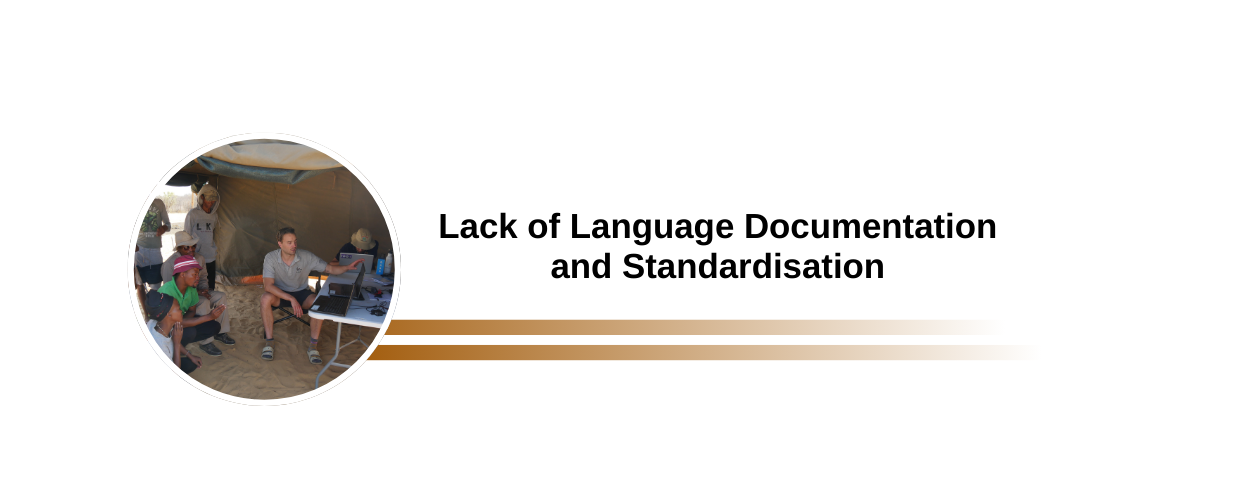
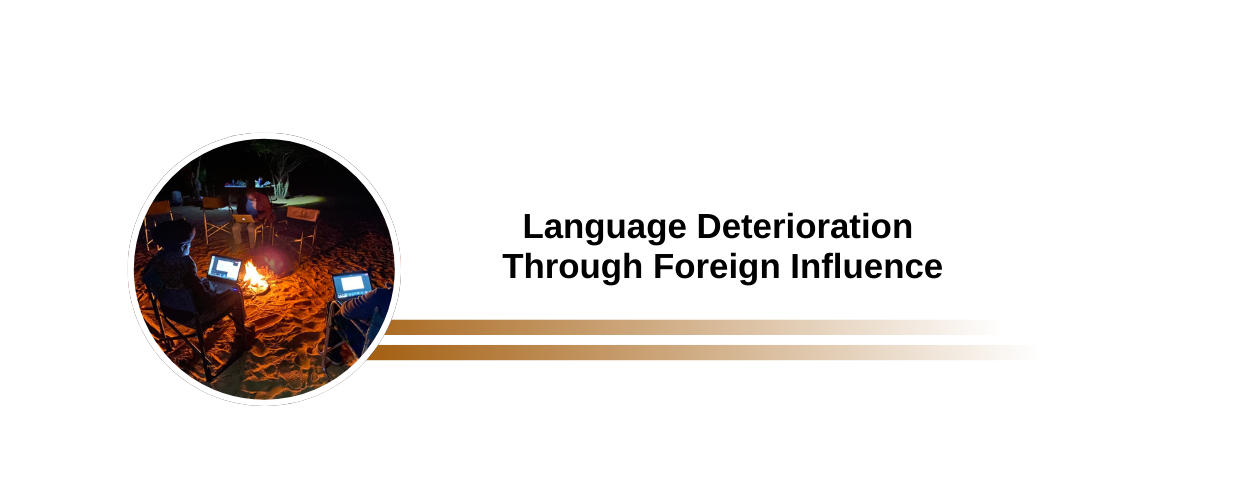
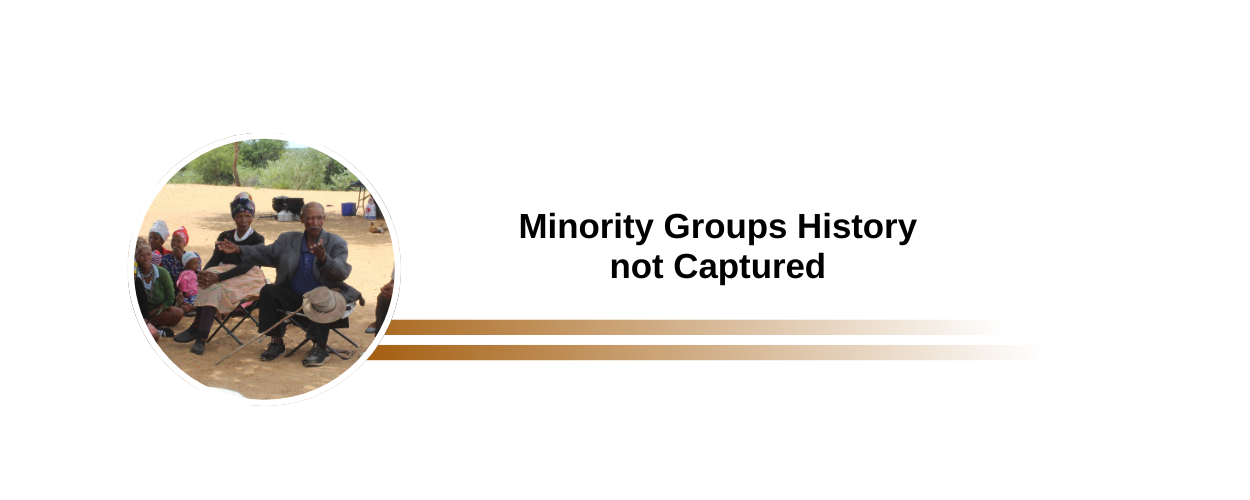
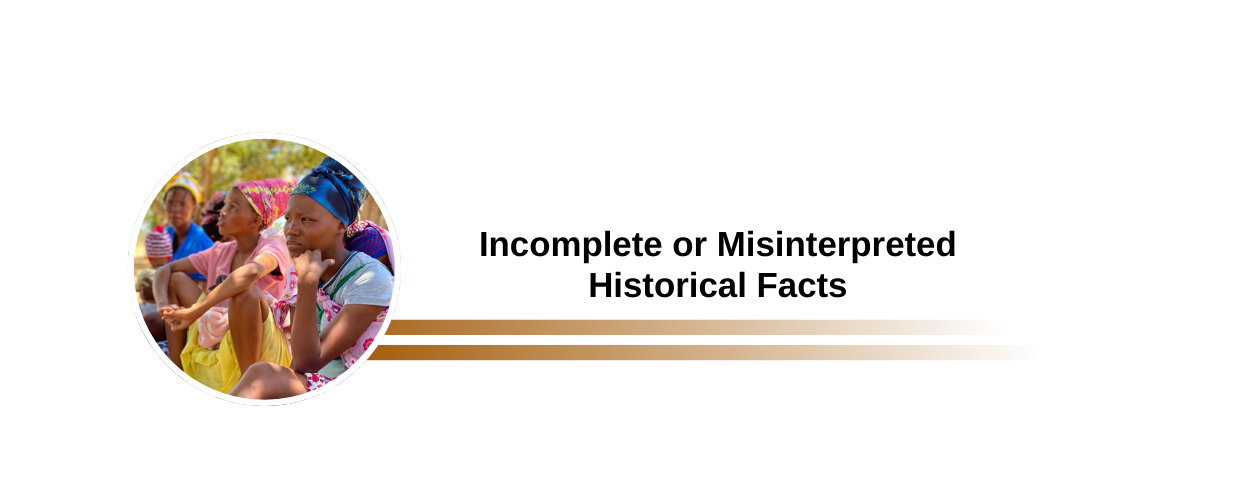
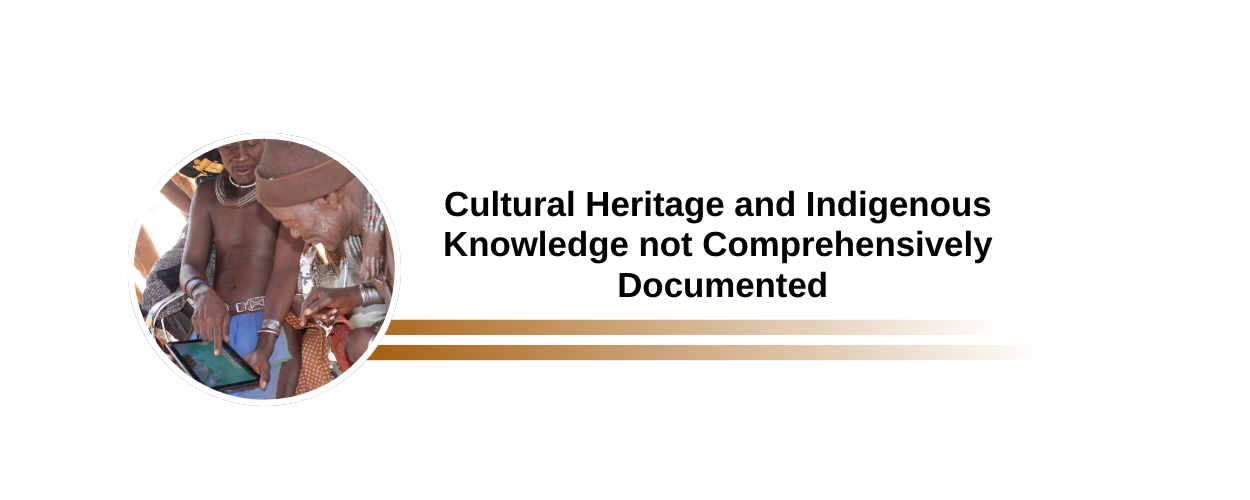

"Indigenous languages are repositories of traditional ecological knowledge, which encompasses a holistic understanding of the environment, including spiritual connections, conservation ethics, and cultural values. – Through their languages, indigenous communities articulate and express their worldviews, cosmologies, and relationships with the natural world. This knowledge is embedded in narratives, myths, songs, and oral traditions, reflecting the intimate bond between indigenous cultures and the environment. – Preserving indigenous languages safeguards this traditional ecological knowledge, enabling future generations to learn from their ancestors' wisdom and adapt it to contemporary sustainability challenges." Isaac Christopher, L. (2023). A Right to Protect Indigenous Languages: A Threat Against Extinction.
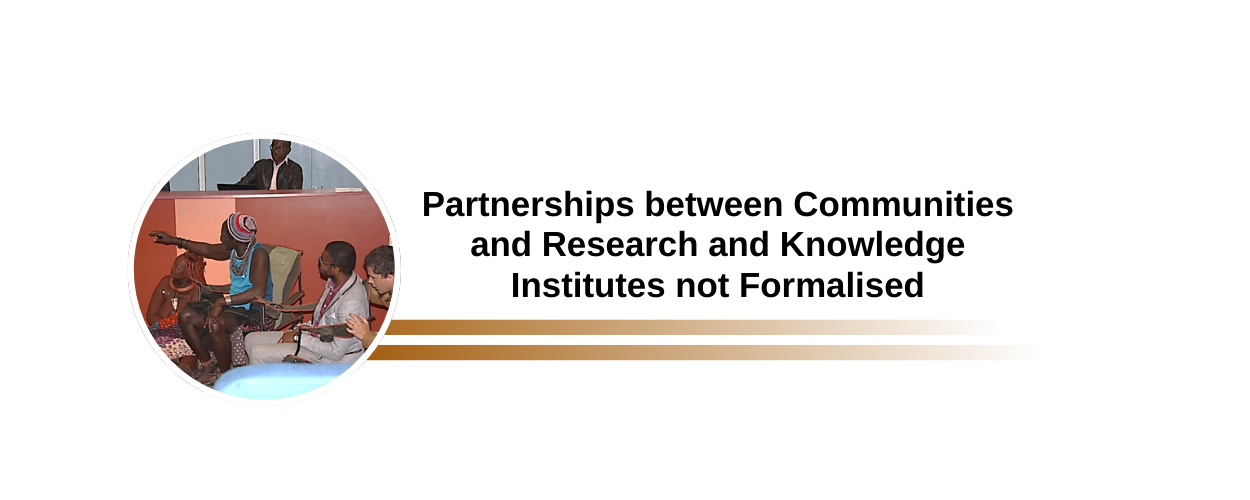
The documentation of indigenous languages and knowledge forms the basis for further developments in all sectors, such as education, health, social and natural sciences, art and culture, among others. Of utmost significance remains the participation of indigenous communities in the process of documentation ensuring authenticity and overwriting previous biases. Thus a priority is the building of partnerships between indigenous communities and institutions to support documentation and research actions.
Establish partnerships between communities and knowledge and information institutions to conduct joint valid and relevant documentation of Indigenous knowledge
Language community
Language community
Language community
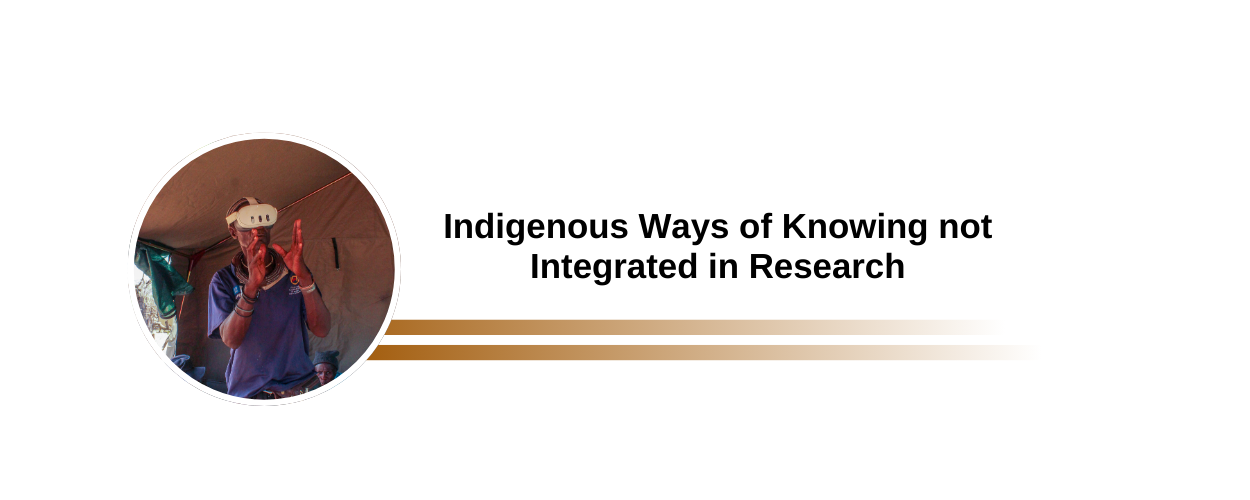
The Donkerbos Ju/'hoansi community in Namibia collaborated with researchers from Namibia University of Science and Technology & Aalborg University to create a VR application aimed at preserving their indigenous language and knowledge. The application told a traditional hunting story, narrated by an elder and demonstrated by both an elder and youth, capturing the community's rich oral traditions. The VR experience served as a crucial tool for preserving the Ju/'hoan language, with all instructions and demonstrations delivered in the community's native tongue.